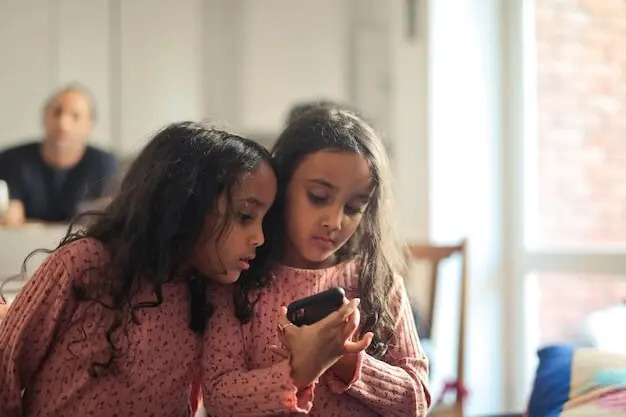
Kindness, Led by Students, Transforming Every Hallway

Today we explore student-led kindness campaigns for classrooms and campuses, guided by voices that know hallways best: students. Expect practical ideas, vivid stories, and ready-to-use tools you can adapt within a week. Whether you’re a class rep, counselor, or curious friend, you’ll find ways to spark connection, reduce friction, and celebrate everyday courage. Share your wins or questions in the comments so we can learn together and grow a compassionate network that keeps spreading.

Building a Movement from the First Hello

Start by listening. Build a small student circle, set shared values, and map the moments in your day where kindness would make the biggest difference. Use quick hallway surveys, sticky-note brainstorms, and story circles to surface needs. Give real responsibilities, transparent timelines, and visible wins, so momentum feels earned, not assigned.

Designing Acts that Actually Change Daily Habits

Kindness Challenges that Stick

Thirty-day streak charts, kindness bingo, or mystery missions give structure and surprise. Keep instructions plain, materials recyclable, and goals visible. Pair every challenge with reflection prompts so habits root deeper than prizes, and ensure alternatives for remote learners or students needing quieter options.

Compliment Corners and Gratitude Walls

Gratitude corners collect notes, while traveling compliment postcards move between classes, telling a rolling story of appreciation. Moderate lightly to prevent exclusion. Provide scripts for shy writers, color overlays for dyslexic readers, and language options so every message lands warm, legible, and shareable.

Peer Support and Buddy Systems

Peer buddy systems match study partners, lunch allies, or commute companions. Train student captains to watch for loneliness without labeling peers. Offer opt-in signals, rotating pairs, restorative check-ins, and private feedback routes, ensuring safety, dignity, and steady confidence for participants and observers alike.


Visible, Creative Storytelling that Spreads Joy

Stories carry campaigns farther than posters alone. Aim for consistent visuals, inclusive language, and student voices describing real moments of courage, apology, and repair. Use morning announcements, classroom slides, and corridor micro-displays to normalize kindness as leadership, not perfection, inviting participation without pressure or performative smiles.

Digital Kindness Across Classrooms and Campuses

Social Media with Purpose and Safeguards

Create a content calendar of shout-outs, behind-the-scenes clips, and how-to reels modeling conflict de-escalation. Secure permissions, protect locations, and caption everything for accessibility. Train a rotating media crew to audit tone, flag risks, and archive learnings so future students inherit wisdom, not just passwords.

Kindness Tech Tools and Micro-Surveys

Leverage simple forms, pulse checks, and anonymous gratitude drop boxes hosted securely. Data snapshots show hotspots needing attention and highlight bright spots to replicate. Students can design dashboards, translate insights into announcements, and share back responsibly, modeling data ethics alongside everyday generosity.

Responding to Online Harm with Care

When harm happens online, move quickly but gently. Offer direct outreach, reflective prompts, and options for mediated apologies. Prioritize dignity, not spectacle. Teach step-backs, screenshot boundaries, and repair scripts so students learn accountability with support rather than shame spirals or public pile-ons.

Inclusive by Design, Accessible in Practice

Design for every learner from the start. Co-create norms that welcome multilingual families, neurodivergent students, and classmates with mobility, sensory, or mental health needs. Budget time and materials to meet different access realities, and test prototypes with diverse users before scaling your favorite ideas.

Language, Culture, and Every Voice

Translate invitation notes, posters, and celebration posts into the languages spoken at home. Use student interpreters with stipends or service credit. Swap idioms that may confuse peers, and invite cultural kindness practices, like greeting customs, to shape rituals that feel authentic across groups.

Designing for Different Bodies and Brains

Offer quiet rooms, sensory-friendly materials, and written alternatives to public speaking. Provide visual schedules, clear stop signals, and consent-based touch guidelines. Let participants choose roles that fit strengths, from design to logistics, so inclusion is practiced daily rather than promised only in posters.

Sustaining Momentum and Proving Impact

Keep progress visible and leadership renewable. Track participation, peer-to-peer help, and climate signals like fewer conflicts during transitions. Pair numbers with stories of restored friendships and brave apologies. Plan handoffs early, celebrate alumni mentors, and lock in traditions that invite constant, student-shaped renewal.
Palovaronilodarikarolento
Privacy Overview

This website uses cookies so that we can provide you with the best user experience possible. Cookie information is stored in your browser and performs functions such as recognising you when you return to our website and helping our team to understand which sections of the website you find most interesting and useful.